Comprehensive Guide to Successful Business Operations in Dental Office Medical Facilities
In today's rapidly evolving healthcare landscape, business success in dental office medical settings hinges on a blend of cutting-edge technology, exceptional patient care, strategic management, and compliance with regulatory standards. As a vital segment within the broader Health & Medical industry, dental practices must adapt to meet the growing expectations of patients while maintaining profitability and operational efficiency. This comprehensive guide explores the essential elements that contribute to a thriving dental office medical business, providing entrepreneurs, practitioners, and administrators with detailed insights and actionable strategies.
The Growing Importance of a Robust Business Model in Dental Office Medical Settings
The healthcare sector, especially within the realm of dental care, has experienced unprecedented growth over the past decade. Increasing awareness of oral health’s impact on overall wellness, advancements in dental technology, and rising cosmetic dentistry trends have expanded the demand for specialized dental services. Consequently, establishing a dental office medical practice that excels in both patient outcomes and business metrics is more vital than ever.
Successful dental businesses do more than just treat patients—they create an environment where innovation, patient satisfaction, and operational excellence intersect. This involves in-depth planning, innovative service delivery, effective marketing, and adherence to strict regulatory standards. Leaders in this field must understand the nuances of healthcare management and leverage them to create sustainable, profitable enterprises.
Critical Components for Running a Profitable Dental Office Medical Business
1. Strategic Location Selection and Facility Design
Choosing the right location is foundational to the success of any dental office medical practice. Accessibility, visibility, and convenience significantly influence patient acquisition and retention. A well-designed facility that prioritizes patient comfort, efficient workflow, and compliance with healthcare facility standards ensures smooth operations and positive patient experiences.
- Accessibility: Proximity to residential areas, public transport options, and ample parking facilities increase patient convenience.
- Space Planning: Ensure sufficient space for reception, operatories, sterilization areas, and staff zones to streamline operations.
- Design and Comfort: Use calming colors, ergonomic furniture, and modern amenities to foster a welcoming environment.
2. Cutting-Edge Technology Integration
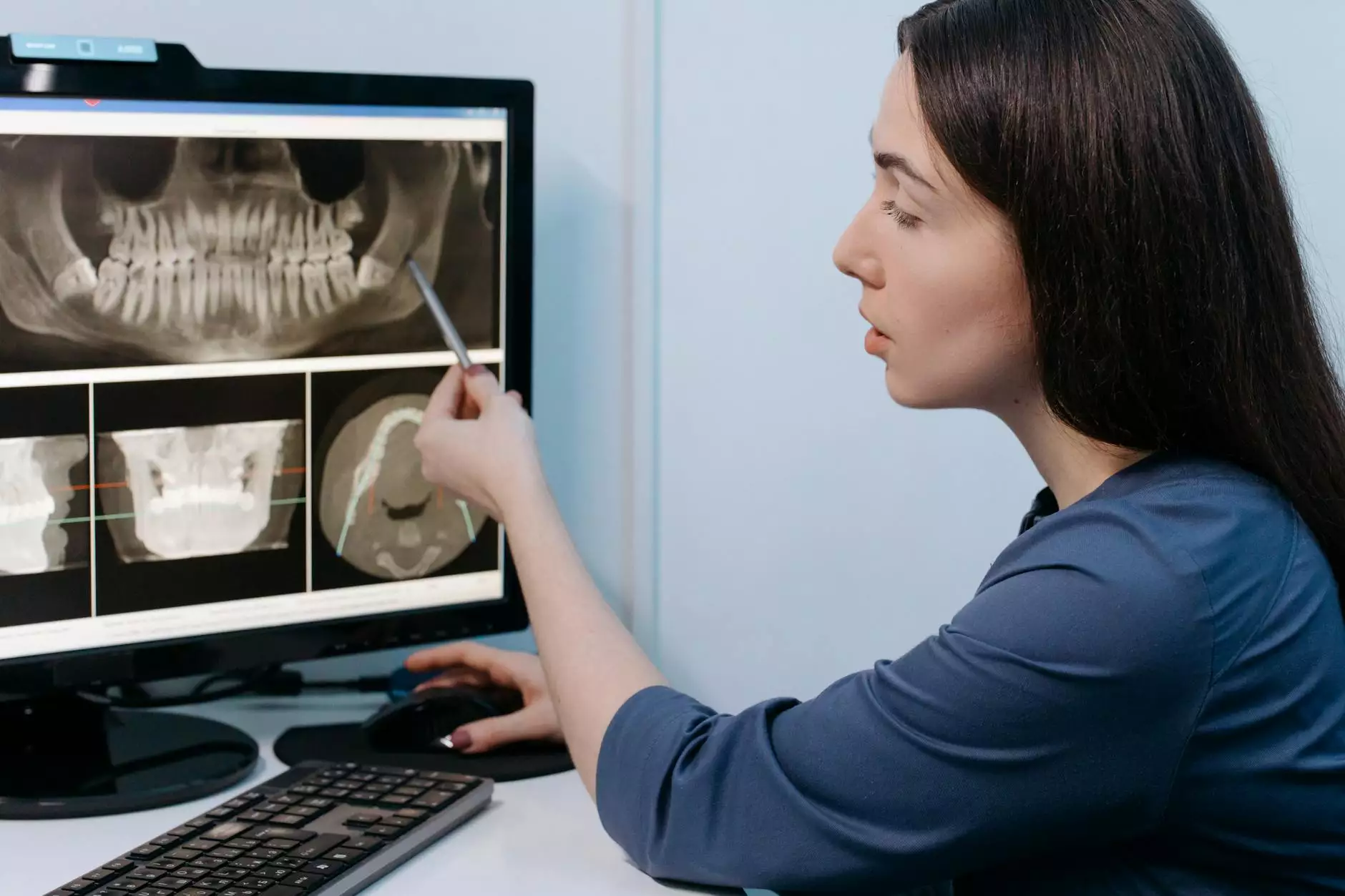
Investing in advanced dental technologies not only improves clinical outcomes but also differentiates a practice in a competitive market. Digital imaging, CAD/CAM systems, 3D imaging, and laser dentistry enhance precision, reduce treatment times, and elevate patient trust.
Moreover, integrating a robust electronic health record (EHR) system facilitates efficient data management, scheduling, billing, and telehealth services. This technological edge leads to increased productivity and higher patient satisfaction.
3. Exceptional Patient Care and Experience
The cornerstone of a thriving business in dental office medical is providing exemplary patient care. This encompasses:
- Personalized Treatment Plans: Tailoring approaches based on individual patient needs fosters trust and loyalty.
- Effective Communication: Clear explanations about procedures, costs, and aftercare reduce anxiety and enhance satisfaction.
- Comfort Management: Using sedation options and comfort amenities minimizes discomfort and builds positive associations with dental visits.
Pain management, clear communication, and empathetic staff behavior are crucial components that directly influence reviews, online reputation, and patient retention.
Maximizing Business Success through Strategic Management in Dental Office Medical Practices
1. Financial Planning and Revenue Cycle Management
Robust financial oversight ensures the sustainability of a dental practice. This includes setting competitive yet profitable pricing, managing overhead costs, and streamlining billing processes. Implementation of efficient revenue cycle management systems minimizes claim denials and accelerates cash flow.
2. Marketing and Patient Acquisition
Effective marketing strategies tailored to target demographics raise awareness and attract new patients. Digital marketing—such as SEO, social media advertising, and online booking—plays a critical role in expanding outreach.
- SEO Optimization: Incorporate relevant keywords like "dental office medical" to improve search engine rankings.
- Online Reputation Management: Encourage satisfied patients to leave reviews to build credibility.
- Community Engagement: Participating in local health fairs and wellness events promotes brand visibility.
3. Staff Training and Compliance
Regular staff training fosters a knowledgeable, efficient team capable of delivering high-quality care and excellent customer service. Ensuring compliance with health, safety, and privacy regulations (like HIPAA in the U.S.) mitigates legal risks and enhances operational integrity.
The Role of Innovation in Modern Dental Office Medical Business
Embracing Dental Technology Innovation
In an era where innovation rapidly transforms healthcare, staying abreast of technological developments provides a significant advantage. Innovations such as digital smile design, implantology advancements, and robot-assisted procedures improve precision and patient outcomes. Incorporating these advances reflects a practice’s commitment to excellence and positions it as a leader in the industry.
Digital Marketing and Patient Engagement
Advanced digital tools allow practices to engage patients actively, offer online consultations, and streamline appointment scheduling. Engaging content marketing, virtual tours of the facility, and educational resources deepen patient relationships and foster loyalty.
Ensuring Regulatory Compliance and Quality Assurance
The success of a business in dental office medical is anchored in strict compliance with governing health authorities. Regular audits, staff training, and adherence to sterilization protocols safeguard patient safety and uphold the practice’s reputation.
- Infection Control Standards: Maintain rigorous sterilization procedures and document compliance.
- Data Security: Protect patient information with secure digital systems.
- Licensing and Certification: Regularly update all practitioner licenses and certifications.
Developing a Sustainable and Scalable Business Model
Building a sustainable dental office medical enterprise involves strategic planning for growth, diversification of services, and maintaining excellent operational standards. Consider implementing:
- Specialty Services: Orthodontics, periodontics, endodontics, cosmetic dentistry—adding specialties attracts a broader clientele.
- Mobile and Teledentistry Services: Reach remote or underserved populations, providing convenience and expanding market share.
- Partnerships and Affiliations: Collaborate with other healthcare providers for holistic patient care.
Conclusion: Elevating Your Business in the Competitive Landscape of Dental Office Medical
In conclusion, the keys to a successful dental office medical business include strategic location choice, technological advancement, commitment to patient-centered care, effective management, and continuous innovation. Mastering these elements not only enhances patient satisfaction but also ensures sustained profitability and growth. As the healthcare industry evolves, embracing change and maintaining uncompromising standards will position your practice as a leader in the Health & Medical and Medical Centers sector.
For entrepreneurs and practitioners aiming to excel within this dynamic field, focusing on excellence in every operational aspect—from technological integration to superior patient care—will enable your practice to thrive amidst competition, ultimately making a profound difference in your community's health and well-being.